
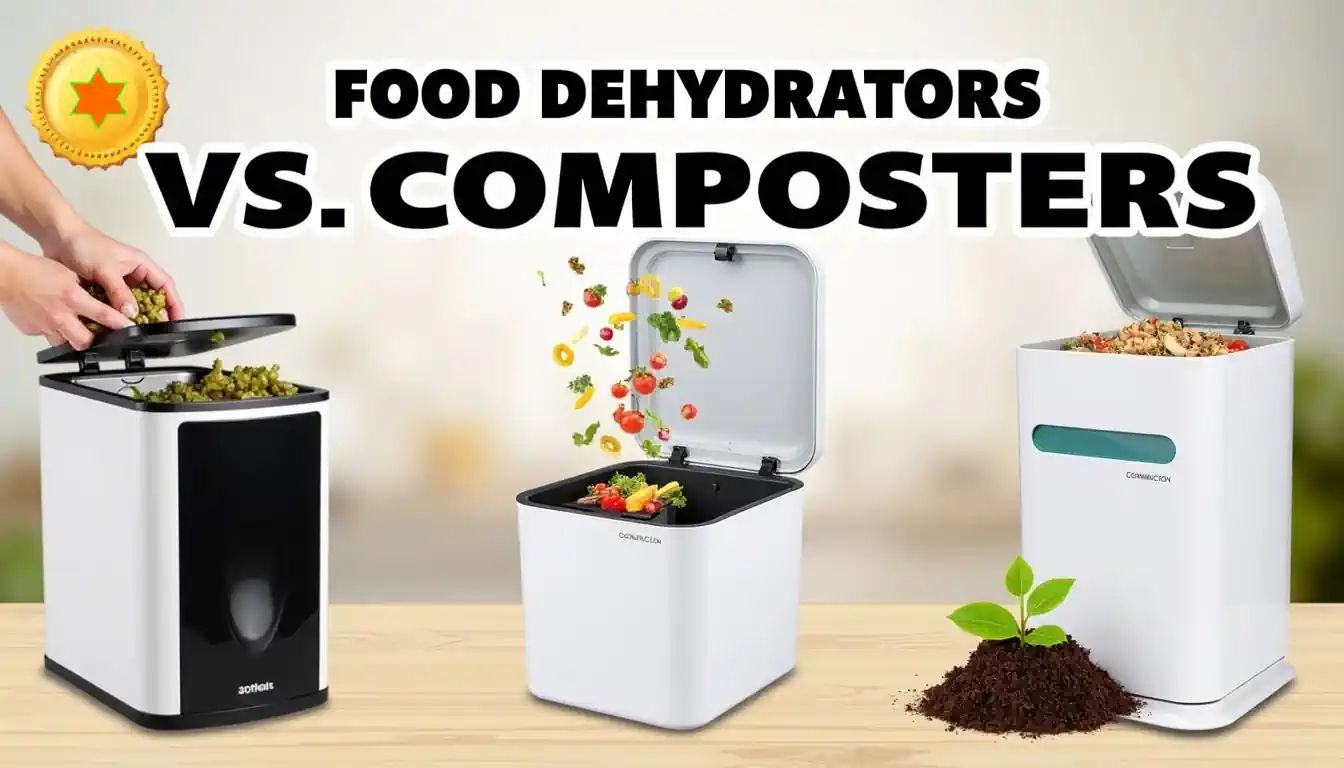
Article-At-A-Glance
- Food scrap dehydrators reduce waste volume but do not produce compost — a critical distinction for any business making sustainability decisions.
- Dehydrated food waste often still ends up in a landfill, meaning the environmental benefit may be smaller than manufacturers suggest.
- CalRecycle and the EPA both flag concerns about the stability and suitability of dehydrated output as a soil amendment.
- Biodigesters offer a third path that most businesses haven’t considered — and it may be the most effective option of all.
- The right solution depends on your output volume, local regulations, and what “sustainable” actually means for your operation.
Most small businesses buying a food scrap dehydrator think they’re composting — they’re not, and that gap matters more than you’d think.
The marketing around these machines is slick. Words like “eco-friendly,” “zero-waste,” and “composter” get thrown around freely, making it easy to believe you’re doing the right thing for the planet. But the reality is more complicated. Understanding exactly what these machines do — and don’t do — is the first step toward making a waste decision that actually holds up under scrutiny.
For small businesses trying to build genuine sustainability practices, getting this right isn’t just good ethics — it’s good business. Resources like waste management guidance for sustainable businesses can help cut through the noise and point you toward solutions that actually deliver results.
Dehydrators Don’t Actually Compost — Here’s What That Means for Your Business
- Food scrap dehydrators use heat, agitation, and airflow to dry and grind food waste into a powder.
- This process removes moisture but triggers no biological decomposition whatsoever.
- The output is dried food material — not compost, not a soil amendment, and not a finished organic product.
- CalRecycle explicitly states that dried food waste is not compost.
- In most cases, the powder still ends up in a landfill.
The core problem isn’t the machines themselves — it’s the labeling. Dozens of commercial food scrap dehydrators are actively marketed as “composters” or “electric composting solutions,” and that framing misleads buyers at the point of purchase. When a small restaurant owner or café manager reads “composter” on a product spec sheet, they reasonably assume the output is compost-ready material. It isn’t.
True composting is a biological process. It requires microorganisms, moisture, oxygen, and time to break organic matter down into humus — a carbon-rich material that actively enriches soil. Dehydration skips all of that. It simply removes water and reduces volume. The organic structure of the food remains largely intact, just dried out, which is why the EPA notes there is still much to be learned about its stability and suitability as a soil additive.

“Bio-Dehydrators for Food Waste | Kitchen Aidt Waste Systems”
What Food Scrap Dehydrators Actually Do to Food Waste
A commercial food scrap dehydrator applies consistent heat to food scraps to evaporate moisture content. While the unit runs, internal paddles, agitators, or grinders break the drying material into progressively smaller pieces. The end result is a dry, granular powder that typically weighs between 10% and 20% of the original food waste input. That’s meaningful volume reduction — but it stops there.
These machines can process a broad range of inputs. Most commercial units handle general food scraps, fats, oils, grease, and some compostable serviceware, though what’s accepted varies by machine model. The key point is that processing capability doesn’t equal composting capability. Moving food waste through a heating and grinding cycle produces dried food material, full stop.
Why “Dehydrated” Does Not Equal “Composted”
Compost works because microbes consume and transform organic matter over time, producing a stable, humus-rich output that feeds soil ecosystems. Dehydration produces none of that transformation. The organic matter in dehydrated food waste hasn’t been broken down — it’s been dried out. Re-introducing moisture to dehydrated output doesn’t restart a composting process; it just rehydrates dried food, which can create odor issues, pathogen risks, and instability if used directly in soil without proper blending and management.
What CalRecycle and the EPA Say About Dehydrated Food Waste Output
CalRecycle is unambiguous: dried food waste is not compost. The agency also notes that to use dehydrated output as any kind of compost accelerator, it must first be re-hydrated and blended with other compostable materials — a process that introduces its own complications. The EPA’s position is similarly cautious, acknowledging that the stability and suitability of dehydrated food waste as a soil amendment is still not well understood. For a small business trying to make a verifiable sustainability claim, that level of regulatory uncertainty is a genuine liability.
How Food Waste Dehydrators Work in a Commercial Setting
In a commercial kitchen or food prep environment, a dehydrator unit is typically positioned close to the food preparation area to make loading quick and convenient. Staff deposit food scraps directly into the machine throughout service, and the unit processes continuously or in batches depending on the model.
The Heat, Agitation, and Airflow Process Explained
The dehydration cycle runs on three simultaneous mechanisms. Heating elements raise the internal temperature high enough to rapidly evaporate moisture from food scraps. Airflow systems — fans or vents — push that moisture out of the chamber. And mechanical components, whether paddles, agitators, or grinders, break down the drying material as it shrinks.
The combination of these three processes is efficient at reducing mass. A machine processing 100 pounds of food scraps might output as little as 10 to 20 pounds of dried powder. That kind of weight reduction is genuinely useful for reducing hauling frequency and associated costs. But it’s important to be clear-eyed about what you’re paying for: a drying machine, not a composting system.
Energy consumption is a real consideration here. Because these machines run heat-intensive cycles — often for hours at a time — electricity usage can be significant. Research from environmental sources has flagged that the energy cost of operating a commercial dehydrator may partially or fully offset the savings achieved through reduced waste hauling fees. The net environmental and financial benefit depends heavily on local energy costs, hauling rates, and usage volume. For a comprehensive understanding of the anaerobic digestion of biowaste, which offers an alternative waste management solution, further research can be beneficial.
Quick Comparison: Dehydrating vs. Composting
Factor Food Scrap Dehydrator Traditional Composting Process Type Physical (heat & drying) Biological (microbial decomposition) Output Dry powder (10–20% of original weight) Finished compost (humus-rich material) Soil Benefit Uncertain / limited Proven soil enrichment Processing Time Hours Weeks to months Energy Use High (continuous heat) Low to none (on-site) End Destination Often landfill Soil, garden, agriculture Regulatory Status Output not classified as compost Recognized organic waste diversion
How Much Weight Reduction You Can Realistically Expect
Manufacturers typically advertise weight reductions of 80% to 90%, and that range is generally accurate for moisture-heavy inputs like fruit scraps, vegetable peels, and cooked food waste. Drier inputs — bread, crackers, processed foods — will yield less dramatic reductions. For a high-volume kitchen generating significant organic waste daily, even a conservative 75% reduction in haul weight can translate to real cost savings on waste collection contracts.
Where the Dried Output Actually Goes After Processing
This is the question most vendors don’t answer clearly upfront. The dried powder from a food scrap dehydrator needs to go somewhere, and in the majority of real-world commercial scenarios, it goes to the landfill alongside general waste. Some limited pathways exist — use as a soil amendment, incorporation into animal feed, or sale as a compost accelerator — but each of these requires specific conditions. Using dehydrated waste as a soil amendment requires careful blending and monitoring. Selling or repurposing it as a pet food ingredient or feed additive requires licensing in many U.S. states. These aren’t impossible routes, but they require more infrastructure than most small businesses have in place.
The Real Pros and Cons of Food Scrap Dehydrators for Small Businesses
Cutting through the marketing, food scrap dehydrators offer a specific and narrow set of genuine benefits — alongside some limitations that don’t get nearly enough airtime. Here’s an honest breakdown of what you’re actually getting.
1. Volume and Weight Reduction Lowers Hauling Costs
This is the strongest real-world argument for dehydrators in a commercial setting. Reducing food waste to 10–20% of its original weight means fewer pickups, lighter loads, and lower hauling invoices. For businesses in areas with weight-based waste billing, the savings can be tangible and relatively quick to materialize.
That said, the savings calculation isn’t as simple as it looks. You need to factor in the machine’s purchase price, installation costs, ongoing electricity consumption, and any maintenance or repair expenses. Depending on your waste volume and local hauling rates, the break-even timeline could be months or years — and the energy bill may quietly eat into your projected savings throughout that entire period.
2. Fast Processing Time Suits High-Output Kitchens
Unlike composting, which unfolds over weeks, a commercial dehydrator processes food scraps in a matter of hours. For high-volume kitchens running multiple services a day — catering operations, hotel restaurants, busy cafés — that speed matters. Waste doesn’t accumulate, odors are minimized, and staff can deposit scraps continuously without managing overflow bins or scheduling around collection days.
The practical appeal is real, especially in urban settings where outdoor compost bins aren’t feasible and storage space is tight. A countertop or under-counter dehydrator fits neatly into an existing kitchen layout without requiring significant operational changes. For businesses prioritizing convenience and cleanliness above all else, dehydrators genuinely deliver on those fronts.
3. Energy Use Is Higher Than Most Alternative Solutions
Running consistent heat cycles for hours at a time draws significant electricity. Research flagged by environmental organizations notes that the energy required to operate commercial food scrap dehydrators can offset the environmental gains achieved through reduced hauling. If your business is running on standard grid electricity — particularly in a region with a high-carbon energy mix — the carbon footprint of the dehydration process itself may be larger than the emissions saved by reducing your waste truck pickups. This is one of the less-discussed costs of dehydrator ownership, and it deserves serious attention before purchase.
4. Output Still Ends Up in Landfill in Most Cases
Here’s the uncomfortable reality that most product listings gloss over: in the majority of commercial scenarios, the dried powder produced by a food scrap dehydrator ends up in the same landfill your unprocessed food waste would have reached anyway. The volume is smaller, yes — but the destination is often identical. For a business trying to make a genuine zero-waste or landfill-diversion claim, that’s a significant problem. Reducing the size of what you’re sending to landfill is not the same as keeping it out of landfill entirely.
5. Licensing Is Required to Sell or Repurpose Dehydrated Output in Many States
Some dehydrator manufacturers point to potential revenue streams from the dried output — selling it as a soil amendment, pet food ingredient, or compost accelerator. In theory, those pathways exist. In practice, most of them require state-level licensing that small businesses don’t have and may not be positioned to obtain quickly.
The licensing requirements vary significantly by state, but broadly speaking, selling or distributing any product derived from food waste — even dried powder — as an agricultural input or animal feed ingredient triggers regulatory oversight. For a small café or independent restaurant, pursuing that licensing is rarely cost-effective. It’s worth knowing the pathway exists, but it shouldn’t factor heavily into your purchase decision unless you’ve already done the regulatory legwork in your specific state.
What Composting Actually Does That Dehydrating Cannot
Composting is a living process. Where dehydration applies heat and force to physically reduce food waste, composting deploys an entire ecosystem of microorganisms — bacteria, fungi, actinomycetes — to chemically transform organic matter into something fundamentally new. The end product, finished compost, is structurally and chemically different from the food scraps that went in. That transformation is what makes composting genuinely valuable, and it’s something no dehydration cycle can replicate.
For small businesses serious about sustainability, composting represents actual organic waste diversion — not just volume reduction. Finished compost keeps organic material in productive use: enriching soil, reducing the need for synthetic fertilizers, supporting carbon sequestration, and feeding the microbiological communities that healthy agricultural land depends on. These are outcomes that show up in sustainability reporting, supply chain conversations, and increasingly, in customer purchasing decisions.
The Biological Decomposition Process Behind True Compost
True composting relies on four inputs working together: organic matter, moisture, oxygen, and microbial activity. As microorganisms consume the organic material, they generate heat — a well-managed compost pile can reach internal temperatures between 130°F and 160°F — which accelerates decomposition and kills off pathogens and weed seeds in the process.
The decomposition moves through distinct phases. In the active phase, fast-working bacteria dominate and the pile heats rapidly. As the most accessible nutrients are consumed, the pile cools and slower-working fungi and actinomycetes take over, breaking down tougher materials like lignin and cellulose. The final curing phase stabilizes the material into the dark, crumbly, earthy-smelling finished compost that gardeners and farmers actually want.
Nothing in a dehydration cycle touches any part of that process. No microbial activity occurs. No heat is generated from biological action. No transformation happens. The food goes in, moisture leaves, and dried food comes out. The chemistry is unchanged. That’s the fundamental difference, and it’s not a minor one.
Soil Enrichment Benefits That Dehydrated Powder Cannot Deliver
Finished compost introduces stable organic carbon, beneficial microorganisms, and a slow-release nutrient profile that improves soil structure over time. It increases water retention in sandy soils, improves drainage in clay soils, and supports the kind of microbial diversity that makes soil biologically productive. Dehydrated food waste powder can’t reliably deliver any of those outcomes. The EPA’s own caution about the stability and suitability of dehydrated output as a soil amendment reflects the fact that applying incompletely transformed food material to soil carries genuine risks — including nutrient imbalances, odor issues, and potential pathogen concerns.
Practical Composting Options for Small Businesses
Composting doesn’t require a large property or a dedicated operations team. Depending on your business size, waste volume, and location, several practical options exist that fit within a typical small business’s operational footprint and budget.
The right approach depends on three things: how much organic waste you generate daily, how much space you have access to, and whether your local area has composting infrastructure already in place. For many small businesses, the answer isn’t on-site composting at all — it’s plugging into an existing system that handles the biology for you.
Backyard or On-Site Compost Bins for Low-Volume Operations
Small cafés, juice bars, florists, or office kitchens generating modest volumes of organic waste can manage on-site composting with a well-positioned compost bin or tumbler. A dual-chamber tumbler like the FCMP Outdoor IM4000 Tumbling Composter allows one chamber to actively compost while the other cures, creating a continuous supply cycle. This works best when your waste stream is predominantly plant-based — fruit and vegetable scraps, coffee grounds, paper filters, and uncooked food prep waste.
Worm Composting as a Space-Efficient Alternative
Vermicomposting — composting with worms — is one of the most underrated options for space-constrained small businesses. A commercial-scale worm bin like the Worm Factory 360 can process food scraps continuously in a compact footprint, producing worm castings (vermicompost) that are extraordinarily rich in plant-available nutrients. Restaurants, specialty grocers, and even offices have successfully run vermicomposting systems in back-of-house areas. The worms handle the biology; you just manage the feeding and moisture levels.
Community and Curbside Compost Programs Worth Considering
In many cities and counties, commercial compost pickup programs exist that make on-site composting entirely unnecessary. Services like CompostNow or municipal organics collection programs allow businesses to separate food waste into designated bins, which are then collected and processed at industrial composting facilities. This is often the lowest-effort path to genuine organic waste diversion for a small business — and in jurisdictions with organics mandates (California, New York, and others), it may already be legally required.
Biodigesters: The Alternative Neither Side Is Talking About
While the dehydrator-vs-composter debate dominates most conversations about commercial food waste, there’s a third option that quietly outperforms both in several key areas: the onsite biodigester. These systems use water, heat, and naturally occurring microorganisms to fully break down food waste — including fats, oils, and grease — into a liquid effluent that can be safely discharged into a standard municipal sewer system. No powder. No hauling. No landfill destination.
- Full diversion: Biodigesters keep food waste entirely out of the landfill, unlike dehydrators where the output typically still reaches one.
- Broad input range: Most commercial biodigesters accept meat, dairy, cooked food, FOG (fats, oils, and grease), and compostable serviceware — inputs that many composting programs reject.
- No hauling required: The liquid output drains directly into the sewer, eliminating collection schedules and hauling contracts entirely.
- Compact footprint: Units like the BioHiTech Revolution Series are designed for back-of-house commercial kitchen installation with minimal space requirements.
- Real-time data: Some systems include connected dashboards that track waste volume and diversion metrics — useful for sustainability reporting and compliance documentation.
For businesses in jurisdictions with strict organic waste diversion mandates — California’s SB 1383 being the most notable — biodigesters offer a compliant, verifiable pathway that sidesteps the regulatory uncertainty surrounding dehydrated output. Because the waste is fully broken down and discharged as liquid, it meets the definition of diversion in most regulatory frameworks in a way that dried powder simply does not.
The cost profile for biodigesters is higher upfront than either a dehydrator or a basic composting setup. Commercial units typically require a capital investment ranging from several thousand dollars into the tens of thousands depending on capacity, plus ongoing water usage and any maintenance contracts. However, for high-volume food businesses — hotels, hospital cafeterias, university dining halls, large restaurant groups — the elimination of hauling costs combined with regulatory compliance can make the financial case surprisingly straightforward.
Small businesses shouldn’t automatically dismiss biodigesters as too large or too expensive without doing the math specific to their situation. Several municipalities and waste agencies offer rebates or subsidized leasing arrangements for businesses adopting certified food waste diversion technologies, and biodigesters frequently qualify. If you’re generating significant food waste daily and paying for regular organic or general waste hauling, a biodigester may reach cost neutrality faster than you’d expect.
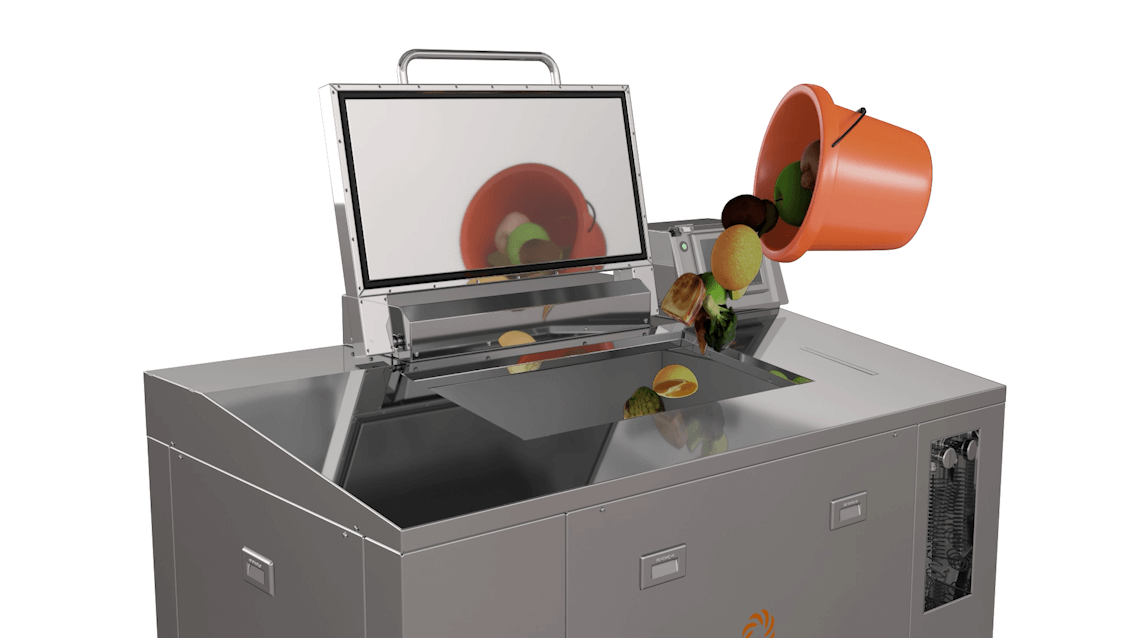
“Why Biodigesters are the Future of Food Waste Management – Power Knot” from powerknot.com and used with no modifications.
Which Option Is Actually Better for Small Business Waste?
The honest answer is that it depends on your volume, your space, your local infrastructure, and what you’re actually trying to achieve. But asking the right questions up front saves you from buying equipment that looks sustainable on the surface while delivering limited real-world impact.
Criteria Food Scrap Dehydrator Composting (On-Site or Collected) Biodigester Genuine Waste Diversion ✗ Output often goes to landfill ✓ Full organic diversion ✓ Full diversion via sewer Speed of Processing ✓ Hours ✗ Weeks to months ✓ 24–48 hours Space Required ✓ Minimal ~ Varies (bin to collection) ~ Moderate (equipment footprint) Accepts Meat & Dairy ✓ Yes ✗ Often restricted ✓ Yes Energy Consumption ✗ High ✓ Low to none ~ Moderate Regulatory Compliance ✗ Output classification unclear ✓ Recognized diversion ✓ Recognized diversion Upfront Cost ~ Moderate ✓ Low (collection programs) ✗ Higher Sustainability Claim Strength ✗ Weak ✓ Strong ✓ Strong
For most small businesses, a curbside or commercial compost collection program is the easiest and most cost-effective entry point into genuine waste diversion. You don’t need to buy any equipment, manage any biology, or navigate licensing. You separate your food scraps, and a certified facility handles the rest. The sustainability claim is clean, verifiable, and recognized by regulators.
Where composting collection isn’t available — or where your waste stream includes inputs like meat and dairy that many programs won’t accept — a biodigester becomes the more practical path to real diversion. Dehydrators occupy a specific niche: they’re best understood as a waste volume reduction tool, not a sustainability solution, and should be evaluated on that basis alone.
When a Dehydrator Makes Sense for Your Operation
A food scrap dehydrator makes the most operational sense when your primary goal is reducing hauling costs and you don’t have access to composting collection or a biodigester. If you’re operating in a rural area without municipal organics pickup, generating high volumes of moisture-heavy food waste, and paying significant weight-based hauling fees, a dehydrator can reduce those costs meaningfully. It’s a practical tool for a specific problem — just not a composting solution.
It also works as a transitional measure. If your jurisdiction is moving toward organics mandates but infrastructure hasn’t caught up yet, a dehydrator can reduce your waste footprint in the short term while you plan for a more comprehensive diversion solution. Go in with clear eyes about what you’re buying: a volume reducer, not a composter.
When Composting Is the Smarter Long-Term Choice
If you have access to a commercial compost pickup service, there is almost no scenario where a dehydrator outperforms it on sustainability metrics. Composting delivers genuine organic diversion, a verified soil benefit, regulatory recognition, and a credible sustainability story — usually at a lower operational cost than running a heat-intensive appliance around the clock. For small businesses building a long-term sustainability identity, composting is the foundation worth investing in, as it aligns with the movement towards biomethane solutions.
Frequently Asked Questions
The questions small business owners ask most often about food waste come down to the same core concerns: safety, legality, cost, and environmental impact. The answers aren’t always straightforward, but they’re worth knowing before you commit to any system.
Whether you’re running a café, a catering company, or a small food production facility, understanding the regulatory and practical landscape around food waste management helps you avoid costly mistakes and build waste practices that actually hold up over time.
Is dehydrated food waste safe to use in a garden?
The safety of dehydrated food waste as a garden soil amendment is genuinely uncertain, which is why both CalRecycle and the EPA approach the topic with caution rather than endorsement. The dehydration process does not kill all pathogens the way a properly managed hot compost pile does, meaning that dehydrated output from certain food inputs — particularly meat or dairy — may carry microbial risks if applied directly to food-producing soil.
For plant-based inputs processed at high enough temperatures, the risk profile is lower, but “lower” isn’t the same as “safe” in a regulatory sense. If you’re committed to using the powder in a garden context, CalRecycle recommends re-hydrating it and blending it with other compostable materials first — effectively starting a secondary composting process — before applying it to soil. That’s an additional step most small businesses aren’t set up to manage. For more information, you can explore the pros and cons of dehydrating food waste.
The practical takeaway: don’t apply dehydrated food waste powder directly to vegetable beds without understanding what went into your machine and whether your local regulations permit it. When in doubt, route it through a certified compost program instead.
Can small businesses legally sell dehydrated food waste output?
Technically, yes — but the regulatory pathway is more complicated than most dehydrator manufacturers let on. Selling dehydrated food waste as a soil amendment, compost accelerator, or animal feed ingredient triggers licensing requirements in most U.S. states. The specific licenses required vary, but they typically fall under state departments of agriculture or environmental quality, and the application and compliance process is not trivial for a small business without dedicated regulatory staff.
Unless you’ve already done the state-specific regulatory research and have a confirmed buyer or use pathway lined up, don’t factor potential revenue from dried output into your purchase decision. For the vast majority of small businesses, the output gets bagged and binned — not sold.
How long does commercial composting take compared to dehydrating?
A commercial food scrap dehydrator processes a batch in roughly 2 to 6 hours depending on the unit and the moisture content of the inputs. Industrial composting facilities — where your scraps go if you use a commercial pickup service — typically produce finished compost in 30 to 90 days using windrow, aerated static pile, or in-vessel composting methods. On-site composting in bins or tumblers takes longer, generally 2 to 6 months depending on management, inputs, and climate. Speed favors the dehydrator — but speed of processing and quality of environmental outcome are two very different things.
Do food waste dehydrators reduce methane emissions?
This is one of the more nuanced environmental questions in the food waste space. Food waste decomposing in a landfill produces methane — a potent greenhouse gas — because the anaerobic conditions in landfills favour methane-generating bacteria. If a dehydrator reduces the volume of food waste reaching a landfill, it may reduce the amount of methane generated from that specific waste stream.
However, the offset is complicated by two factors. First, many modern landfills capture methane and use it for energy generation, which reduces the net climate impact of landfill-bound organic waste. Second, the electricity consumed by running a dehydrator continuously generates its own carbon emissions — potentially significant ones, depending on your grid’s energy mix. Whether dehydrators deliver a net methane or carbon benefit in your specific context requires a site-specific analysis, not a blanket assumption.
Are there government incentives for small businesses that compost food waste?
Yes — and they’re more accessible than most small business owners realise. Federal, state, and local programs exist that support organic waste diversion through grants, rebates, tax incentives, and subsidised equipment programs. The availability and value of these incentives vary significantly by location, but the overall landscape has expanded considerably as jurisdictions move to meet organic waste diversion targets.
At the federal level, the USDA’s Rural Energy for America Program (REAP) and various EPA Solid Waste programs have funded food waste reduction initiatives for eligible businesses. At the state level, California’s SB 1383 compliance infrastructure includes funding streams for businesses adopting approved organic waste diversion technologies. In New York, the State’s Environmental Facilities Corporation has offered grants for commercial composting and food waste reduction projects.
Many municipalities go further, offering direct rebates for businesses that subscribe to commercial compost collection services, or providing free compost bins and starter materials for businesses setting up on-site systems. Your local waste management authority or small business development centre is the fastest way to find out what’s available in your specific area. For businesses interested in sustainable waste management, exploring anaerobic digestion of biowaste can be an innovative approach to managing organic waste efficiently.
The bottom line: before assuming composting is more expensive than a dehydrator, check what incentive programs your business qualifies for. The true cost comparison often shifts considerably once available subsidies are factored in — and the sustainability outcome of composting remains far stronger regardless of the financial picture.
For small businesses ready to move beyond volume reduction and into genuine sustainability, exploring certified waste diversion programs through a trusted resource is the clearest next step you can take today.



Leave a Reply